The Best Time to Embark on an Unforgettable Tanzanian Advent
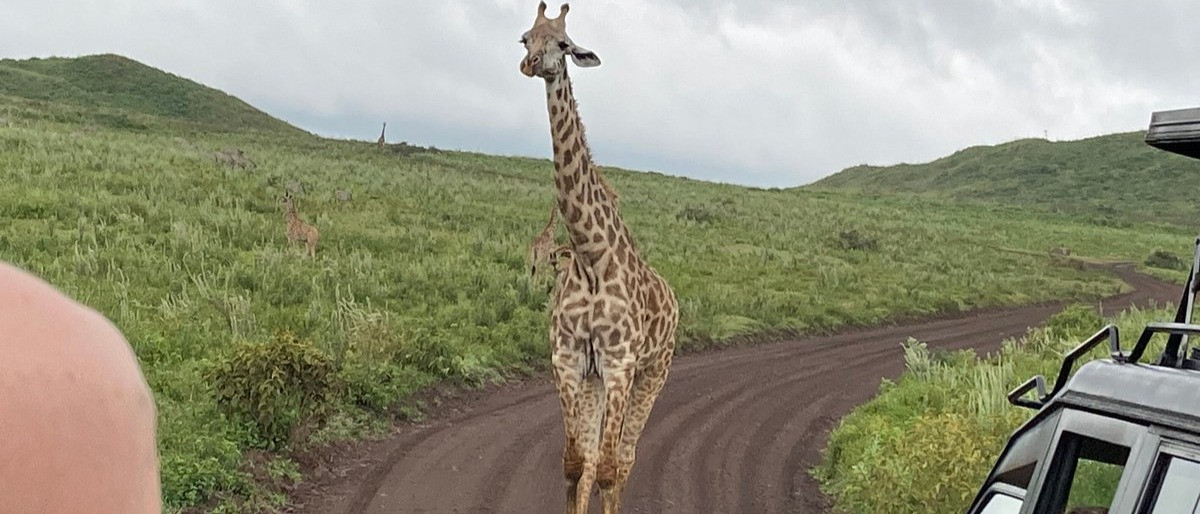
Tanzania, a land of diverse landscapes and abundant wildlife, offers a magical experience for travellers to a memorable African adventure.

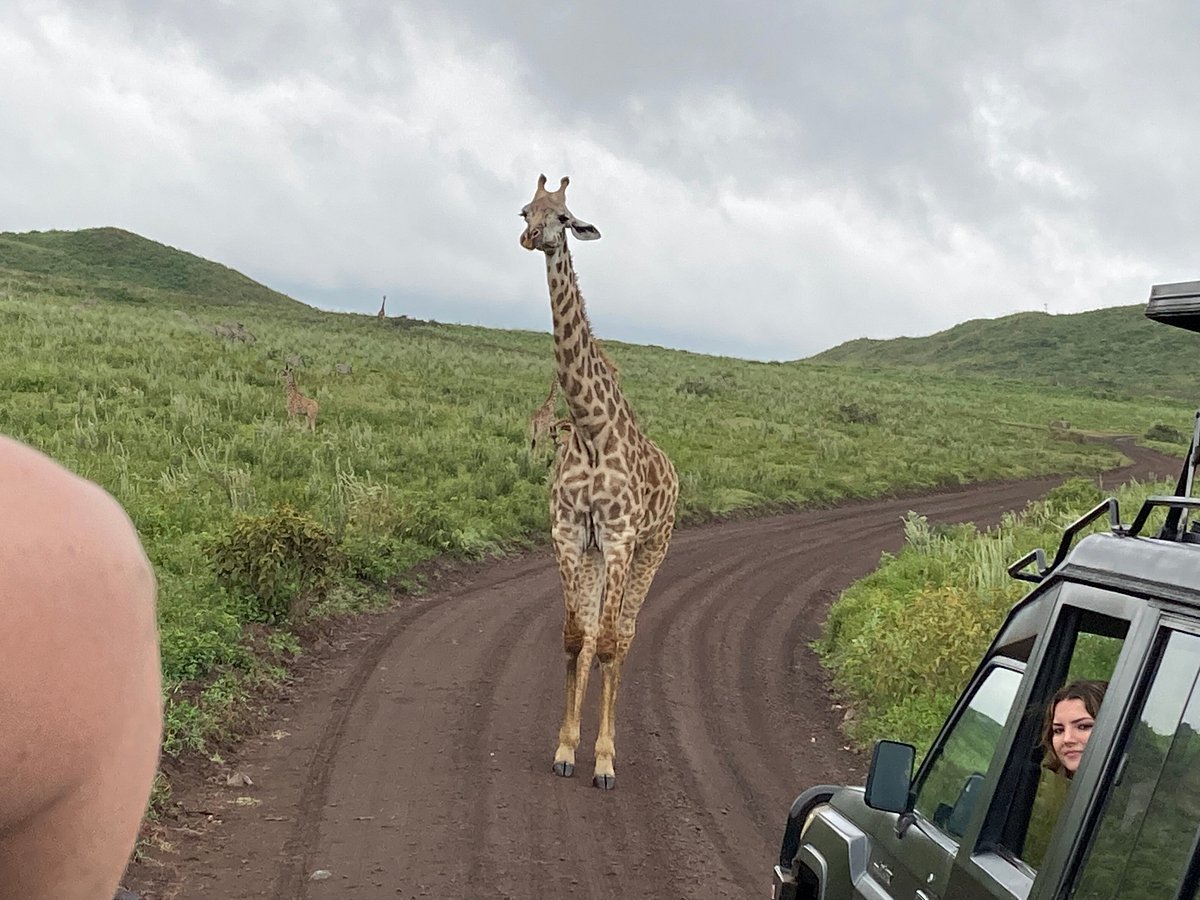
Tanzania, a land of diverse landscapes and abundant wildlife, offers a magical experience for travellers seeking a memorable African adventure. Choosing the Best Time To Visit Tanzania is crucial to ensure you witness its natural wonders at their finest. In this guide, we'll explore the different seasons in Tanzania and help you discover the Best Time Of Year To Safari In Tanzania to plan your safari or climb the majestic Mount Kilimanjaro.
1. Dry Season (May to October)
The dry season is considered the best time to visit Tanzania, offering favorable conditions for wildlife safaris and outdoor activities. From May to October, the weather is generally dry and cool, providing comfortable temperatures during the day and chilly nights. This season marks the Great Migration in Serengeti, as millions of wildebeest, zebras, and other herbivores move in search of water and fresh grazing lands, attracting predators in their wake. Witnessing this incredible spectacle is a once-in-a-lifetime experience.
The dry season also presents an excellent time for mountain climbing, particularly for ascending Mount Kilimanjaro. The clear skies offer breathtaking views, and the dry trails make the trek safer and more manageable. It's essential to book accommodations and tours well in advance, as this period attracts a considerable number of tourists.
2. Wet Season (November to April)
The wet season in Tanzania, from November to April, is characterized by occasional heavy rains. While this season might not be the ideal time for safari adventures, it brings its own unique charm to the country. The landscapes transform into lush greenery, and many animals give birth during this time, leading to an abundance of young wildlife.
In the southern and western parts of Tanzania, such as the Selous Game Reserve and Katavi National Park, the wet season offers fantastic opportunities for birdwatching, as migratory birds arrive in large numbers. Additionally, this period sees fewer tourists, providing a more exclusive and tranquil experience.
However, it's essential to note that some roads might become impassable due to flooding, and certain remote areas might be inaccessible during heavy rains. Despite this, the wet season can still be a rewarding time to visit Tanzania if you're interested in birdlife and can tolerate occasional showers.
3. Shoulder Seasons (April to May and November)
The transitional months of April to May and November are considered the shoulder seasons, marking the periods between the wet and dry seasons. During these months, tourism is at its lowest, and accommodations often offer discounted rates. While there is a higher chance of rainfall during these periods, it can vary from year to year. Travellers who prefer quieter experiences and are willing to take a bit of a risk with the weather might find these months suitable for your best Tanzania Experience.
Conclusion
Choosing the Best Time To Visit Tanzania largely depends on your preferences and interests. If you seek the thrill of witnessing the Great Migration and exploring Tanzania's wildlife in their natural habitats, the dry season is ideal. On the other hand, the wet season offers its own unique rewards for travellers seeking a more exclusive experience. Whether you're a wildlife enthusiast or an


Arusha, Tanzania
24
Gifted African Adventures is a Tanzania-based tour operator with experienced and enthusiastic professional safari guides.